Feb 27, 2026
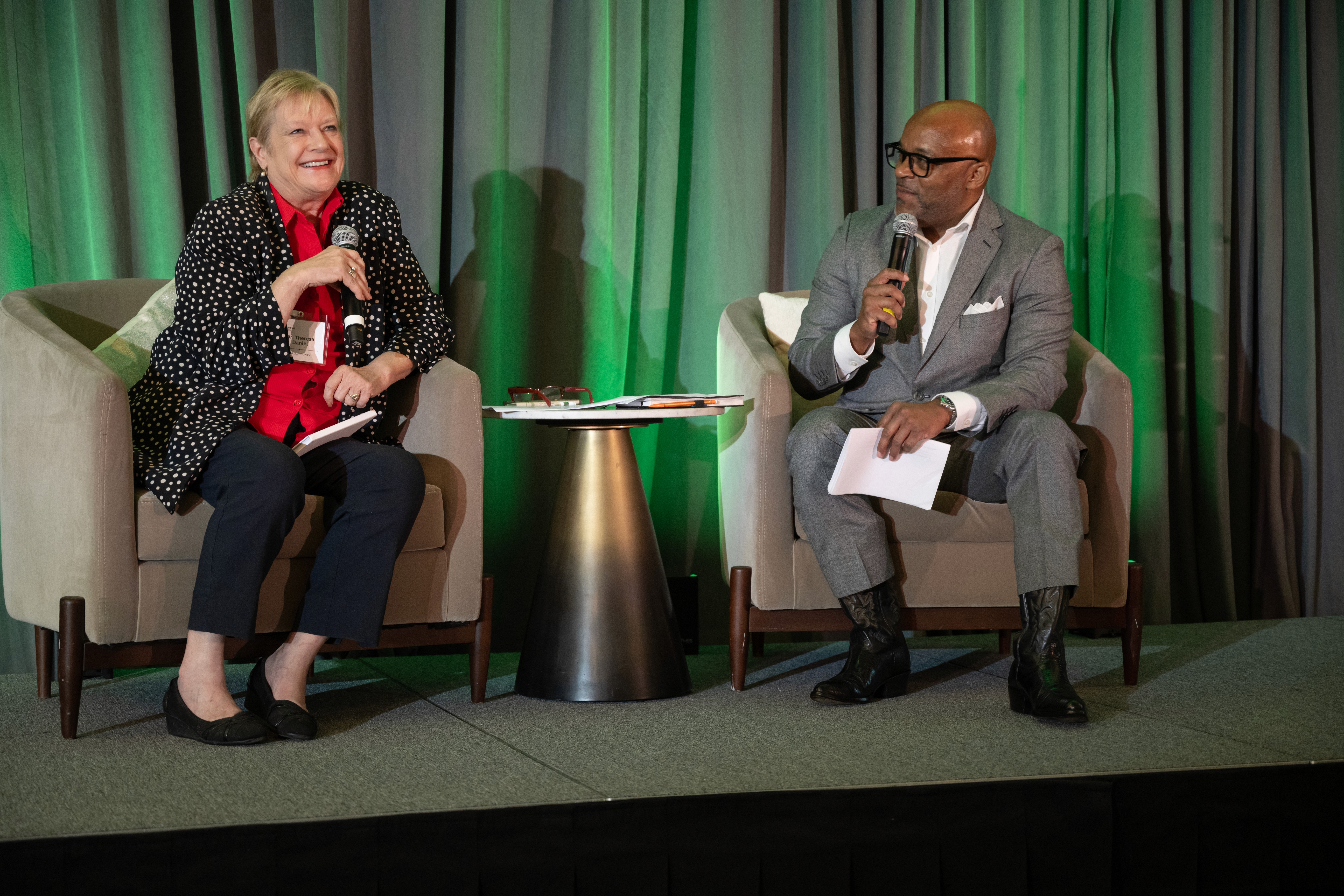
At Blooming Day Texas, one of the most compelling conversations of the day was “Rooted in Policy, Blooming in Care.” The fireside chat focused on scalable solutions for building integrated health ecosystems across Dallas County — and what it takes to translate policy and research into real, ground-level impact.
The session featured Dr. Theresa Daniel, Commissioner of Dallas County, in conversation with Michael Hancock, Former Mayor of Denver, Colorado.
Together, they examined how counties can move from fragmented services to coordinated systems — and why insurance coverage, benefits renewal, and administrative access are foundational to that effort.
When 1 in 4 Residents Are Uninsured
The backdrop to the discussion was stark. In Texas, nearly one in four residents in some regions lacks health insurance.
As Dr. Theresa Daniel, Commissioner of Dallas County, shared during the broader summit, “Close to one out of five, one out of four, depending what geographic area you're in, do not have insurance… Those folks end up in our ERs because that's the only way they can get care — and our county tax dollars are paying for that.”
That reality shapes county decision-making. Commissioner Daniel emphasized that healthcare does not operate in isolation, “We do nothing by ourselves.”
In Dallas County — one of the largest counties in the United States — healthcare intersects with transportation, housing, mental health, public safety, and child care. When one part of the ecosystem fails, the others feel the strain.
Coverage stability is one of the most critical links in that chain.
From Policy to Practice
During the fireside chat, Commissioner Daniel outlined the importance of moving beyond discussion into implementation. Research, data, and national best practices matter — but only if they translate into accessible services for residents.
As she put it, “You identify what is the problem… what are the resources… and then you determine what fits better for us.”
That framework is particularly relevant when discussing benefits renewal.
Texas remains a non-Medicaid expansion state. That means maintaining coverage for those who are eligible becomes even more critical. Yet every year, thousands lose Medicaid or SNAP benefits simply because they miss renewal deadlines or struggle with paperwork.
When renewal fails, coverage lapses. When coverage lapses, people delay care. And when care is delayed, emergency rooms absorb the cost.
Integrated ecosystems cannot function if eligible residents are falling through administrative cracks.
Why Benefits Renewal Is an Ecosystem Strategy
Michael Hancock, drawing on his experience leading Denver for 12 years, reinforced the importance of system-level thinking. Cities and counties must proactively map needs, assess assets, and connect services — not operate in silos.
Benefits renewal may seem like an administrative detail. In reality, it is infrastructure.
Stabilizing Medicaid and SNAP enrollment supports:
Preventive care access
Chronic disease management
Mental health services
Financial sustainability for health systems
Reduced uncompensated ER utilization
In a high-uninsured state, improving renewal completion rates is one of the fastest ways to protect both public health and public dollars.
Making Benefits Renewal Accessible
Blooming Health’s AI Benefits Renewal Agent was built to address exactly this challenge.
Instead of navigating complex forms alone, members can renew Medicaid and SNAP via voice or text in more than 80 languages.
The responsive AI agent guides them step-by-step, collects required information, and enables secure document uploads in minutes.
The result is simple but powerful:
Fewer eligible residents lose coverage
Health systems experience less reimbursement disruption
Counties reduce preventable emergency utilization
Blooming Day Texas made one thing clear: building integrated health ecosystems requires more than good policy. It requires operational tools that make access easier at scale.
Because as Commissioner Daniel reminded the audience, “We are not done yet.”
If your community is looking to reduce coverage churn, increase Medicaid and SNAP renewal rates, and strengthen your local health ecosystem, our team is ready to help.
Contact Blooming Health to learn how you can automate the benefits renewal process in your community — and ensure eligible residents stay covered.