Nov 28, 2025
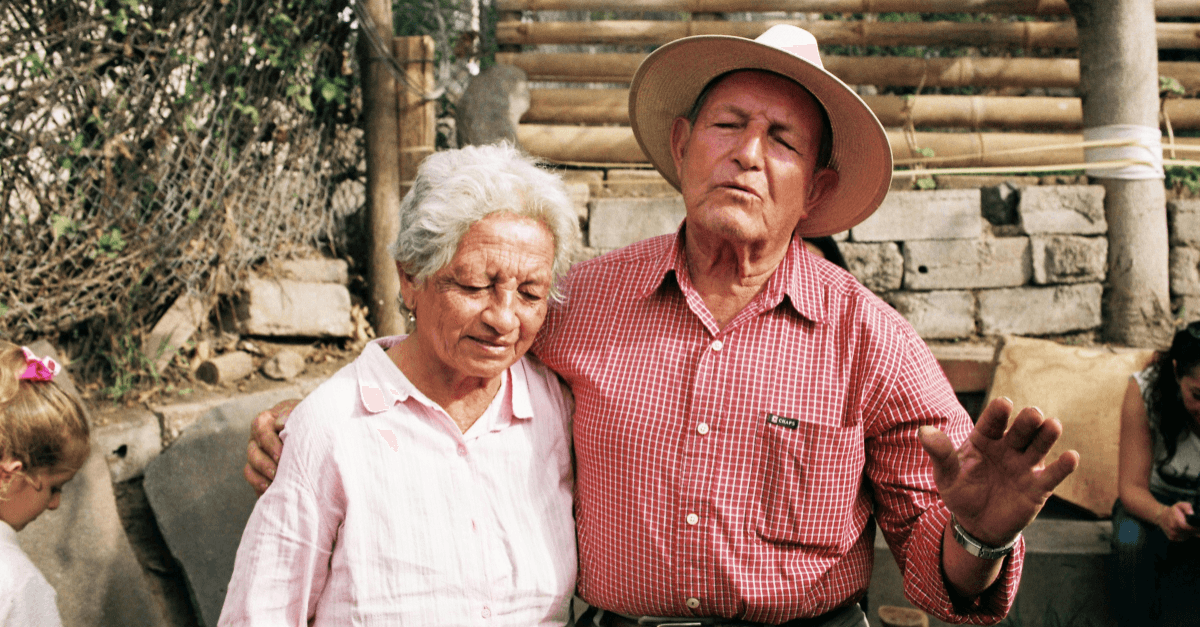
When older adults need help in rural Texas, getting that help shouldn't be the hardest part. Yet a statewide study reveals a troubling reality: over 50% of older adults seeking services face confusing systems, long wait times, or simply don't know where to start. But the challenges run even deeper than bureaucracy—they're rooted in the very real barriers that prevent rural older adults from accessing the support they desperately need.
The Invisible Barriers to Rural Care
In rural West Texas, where one in five older adults over 65 live, the obstacles to receiving care often begin long before someone even attempts to navigate the system. A comprehensive assessment conducted with the West Central Texas Area Agency on Aging reveals what healthcare providers and social services often overlook: reaching older adults is fundamentally different in rural areas.
Physical Limitations Create Access Barriers
As people age, the physical challenges that come with it—mobility issues, vision problems, hearing loss, chronic pain—aren't just health concerns. They're barriers to accessing care itself.
In urban areas, services might come to you. In rural Texas, you often have to go to them. That means:
Driving long distances when eyesight is failing or reflexes have slowed
Navigating multi-story buildings when stairs are a challenge
Attending in-person appointments when simply getting dressed is exhausting
Filling out lengthy paper applications with arthritic hands
The survey of 183 rural older adults, averaging 76 years old, identified physical health and wellbeing as the top concern—but what's often missed is how these physical limitations prevent people from getting the very help they need to address those health concerns.
Language Diversity: Services in English Only
While 80% of rural West Texas survey respondents were White, 16% identified as Hispanic or Latino, representing a significant population that faces an additional layer of complexity. When services, applications, and information are available only in English, entire communities are effectively locked out.
Language barriers mean:
Critical information about available services never reaches those who need it
Application processes become impossible without bilingual family members or advocates
Phone helplines and customer service become sources of frustration rather than assistance
Cultural nuances in caregiving and family dynamics are misunderstood or ignored
The Digital Divide: Technology as Gatekeeper
Increasingly, accessing services means going online. Applications move to web portals. Appointments require email confirmations. Information lives on websites. Telehealth becomes the solution to rural healthcare access.
But for many older adults in rural Texas, technology isn't a bridge—it's a wall.
The challenges include:
Limited or no internet access in remote areas where broadband infrastructure is lacking
Lack of devices: No smartphone, no computer, no tablet
Limited digital literacy: Never learned to navigate websites, fill out online forms, or use email
Mistrust of technology: Concerns about privacy, security, and scams
Physical barriers: Small text on screens, complicated interfaces, difficulty using touchscreens
When services shift online in the name of "modernization," they inadvertently exclude the very population they're designed to serve.
Transportation: The Often-Overlooked Essential
You can't access services you can't reach. In rural Texas, where distances are vast and public transportation is virtually nonexistent:
Medical appointments are 30, 50, even 100 miles away
Senior centers and community programs require reliable transportation
Grocery stores and pharmacies aren't within walking distance
Family caregivers may live hours away
As driving becomes unsafe or impossible, older adults become increasingly dependent on others—and increasingly unable to access the services designed to help them remain independent.
The Caregiver Burden
These access challenges don't just affect older adults—they fall heavily on family caregivers. The research identified caregiver respite services, education, and support groups as among the services that most inadequately meet needs.
Family members, often managing their own jobs and families, must now become:
Translators and interpreters
Technology teachers and assistants
Transportation providers
Application help specialists
System navigators
The burden is unsustainable, yet the system continues to rely on it.
Solutions That Meet People Where They Are
Recognizing these barriers is the first step. Addressing them requires innovative, multi-faceted approaches:
Mobile Health Clinics and Outreach Programs that bring services directly to rural communities, eliminating transportation barriers and meeting people in familiar, accessible locations.
Multilingual Services and Cultural Competency that ensure language is never a barrier to care, with translated materials, bilingual staff, and culturally appropriate programming.
Technology Assistance Programs that don't just offer telehealth, but provide the devices, training, and ongoing support needed to use it effectively.
Simplified, Streamlined Applications available in multiple formats (online, paper, phone) and supported by trained staff who can guide people through the process.
Centralized Resource Navigation through initiatives like the No Wrong Door System, ensuring that regardless of how someone first reaches out—phone, in-person, through family—they receive comprehensive assistance.
Enhanced Caregiver Support including respite services, skills training, and support groups that recognize caregivers as essential partners in care.
How Blooming Health Breaks Down These Barriers
At Blooming Health, we partner with community organizations and health systems to make these solutions more accessible. Our platform enables proactive outreach, automates reminders for appointments and wellness check-ins, and connects older adults to the services and programs they need—all while supporting caregivers. With multilingual capabilities and omnichannel communication, we ensure seniors stay connected, informed, and supported, no matter where they live.
Connect with us today to learn how technology and community partnerships can help rural seniors thrive.
___________________________________________________________________________________________
Suzie Macaluso, Julia Free, ASSESSING THE NEEDS OF OLDER ADULTS IN RURAL WEST TEXAS, Innovation in Aging, Volume 7, Issue Supplement_1, December 2023, Page 889, https://doi.org/10.1093/geroni/igad104.2860
Murphy S, Anaab E, Severance J, Yockey R. ASSESSING THE COMPLEXITIES OF LONG-TERM SERVICES AND SUPPORTS FOR OLDER ADULTS OF TEXAS. Innov Aging. 2024 Dec 31;8(Suppl 1):751–2. doi: 10.1093/geroni/igae098.2446. PMCID: PMC11691985.