Nov 28, 2025
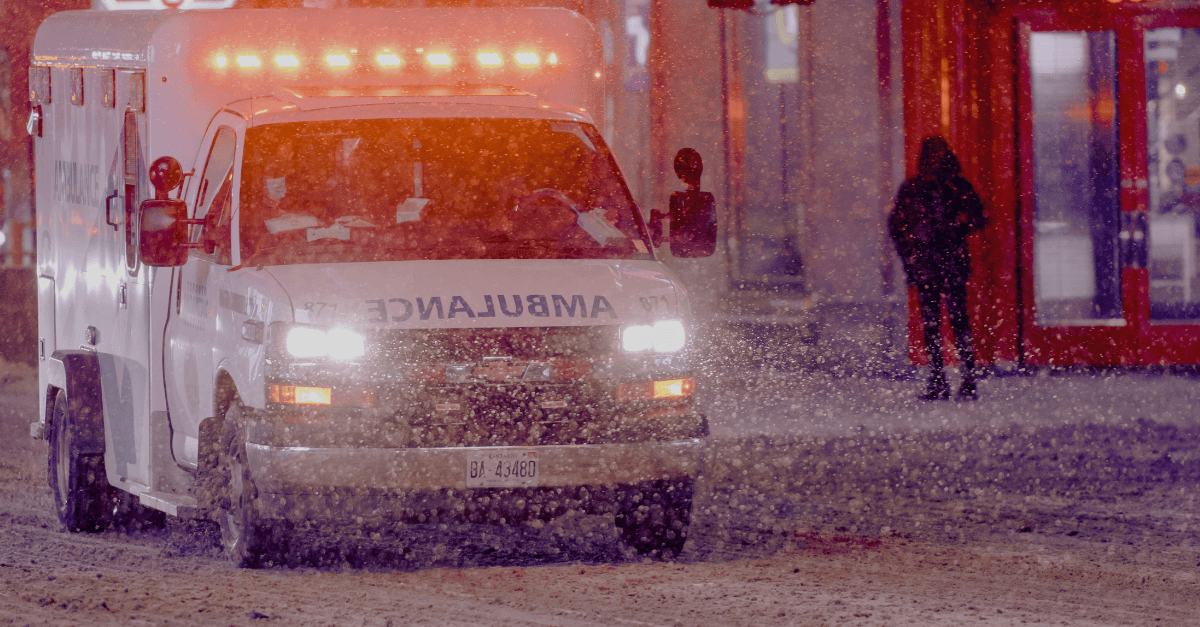
On July 4, 2025, flash flooding in Texas Hill Country claimed 111 lives. The tragedy revealed something rural community organizations already know: when disaster strikes, the people you serve are often the hardest to reach—and the most vulnerable when communication fails.
For senior centers, tribal councils, Area Agencies on Aging, health systems, and community-based organizations serving communities in rural Texas, emergency communication isn't just about sending alerts. It's about fulfilling your core mission when it matters most.
But rural populations face specific barriers that make emergency communication uniquely challenging and uniquely critical.
Emergency Communications in Rural America
Rural communities face communication barriers that urban systems aren't designed to address. Your members and clients may live in areas where:
Cell phone coverage is spotty or nonexistent
Internet access is limited or unreliable
Landlines are still the primary phone connection
Residents are miles from the nearest town or service center
Multiple languages are spoken, including indigenous languages
Many residents are elderly and may not use smartphones or email
During a weather emergency, power outage, or public health crisis, these barriers intensify. The 85-year-old homebound client who depends on your Meals on Wheels program may not have internet access. The grandma who relies on an oxygen tank and lives 30 miles from the nearest town may only have a landline. The Spanish-speaking farm worker may miss English-only alerts entirely.
Why Your Organization Needs Direct Communication Capability
Consider the emergencies your organization must respond to:
Heat Waves: Senior centers need to conduct wellness checks on elderly members, remind them about cooling centers, and identify who needs transportation assistance—all within hours as temperatures climb.
Flooding: Health systems must reach dialysis patients to reschedule appointments, notify home health clients about road closures, and ensure medically fragile individuals have evacuation support.
Power Outages: AAAs need to check on clients who rely on oxygen concentrators or refrigerated medications, coordinate generator delivery, and direct people to charging stations.
Winter Storms: Tribal councils must reach dispersed community members to share shelter locations, conduct safety checks on elders, and coordinate supply distribution across vast territories.
Public Health Emergencies: CBOs serving immigrant communities need to push out vaccine clinic updates, testing site information, and health guidance in multiple languages.
In each scenario, time is critical. Your organization has the relationships, the contact information, and the cultural trust—but without a direct way to reach people at scale, across multiple channels, you cannot act on what you know.
The Multi-Channel Imperative
The Texas flooding showed what happens when communication depends on a single method. The "river calling" system—a phone chain dating to the 1950s—failed because people were asleep, phones were on Do Not Disturb, and there wasn't enough time for sequential calling.
Rural organizations need multi-channel systems because your populations require it:
Voice calls reach elderly clients who don't text and residents in areas where only phone service works. A familiar voice from a trusted organization increases the likelihood someone will answer and act.
SMS/Text gets through when voice lines are overwhelmed and reaches people who may be away from home but still in danger zones.
Email provides detailed information—shelter addresses, clinic hours, road closure maps—that people can reference later.
Multiple languages ensure that non-English speaking community members receive life-saving information in the language they understand best.
The principle is simple: you cannot predict which channel will reach someone in an emergency, so you must use all of them simultaneously.
Overcoming Technology Barriers
One concern organizations raise is that their populations "aren't tech-savvy" or "won't engage with automated systems." But modern emergency communication platforms are designed precisely for populations with limited technology access:
Voice calls sound like a person calling from your organization, not a robocall. Recipients hear a familiar organization name on caller ID, increasing answer rates.
Simple yes/no responses allow people to indicate their status without navigating complex menus.
Two-way communication lets recipients press a number to request a callback or indicate they need help.
Automatic translation means you create one message and the system delivers it in 80+ languages.
Multiple attempts across channels mean if someone misses the call, they receive a text. If they don't have texting, they get another call at a different time.
The technology meets people where they are, rather than requiring them to learn new tools.
Moving Forward: Building Communication Resilience
The proposed Texas Flood Emergency Supplemental Appropriations Act includes $15 billion for disaster response and resilience efforts, with priority for flood-prone, low-income communities. This represents an opportunity for rural organizations to invest in communication infrastructure that will serve their populations for years to come.
As you consider your organization's emergency preparedness, ask:
Can we reach every person we serve within one hour if needed?
Do we have multiple ways to contact people if one method fails?
Can we communicate in every language our community speaks?
Can we identify who needs help and who is safe in real-time during a crisis?
Are we able to maintain ongoing communication during multi-day emergencies?
If the answer to any of these is no, your organization needs dedicated alert capability.
Platforms like Blooming Health are designed specifically for organizations serving vulnerable populations in rural areas. They enable you to send voice calls, texts, and emails simultaneously, communicate in multiple languages, conduct wellness checks with automatic response tracking, and maintain the trusted connection your community depends on—especially when disaster strikes.
The flooding in Hill Country taught us that accurate forecasts mean nothing if the right people don't receive the warning in time. For rural organizations, the challenge isn't predicting the disaster. It's ensuring that when crisis comes, you can reach every single person who depends on you—no matter where they live, what language they speak, or what technology they have access to.
Your organization exists to serve your community's most vulnerable members. Emergency communication infrastructure ensures you can fulfill that mission when it matters most.
________________________________________________________________________________
Vahedifard, Farshid, AghaKouchak, Amir (2025). "Catastrophic Texas Flood as Science Warned but Sirens Stayed Silent ," United Nations University, UNU-INWEH, 2025-07-16, https://unu.edu/inweh/article/catastrophic-texas-flood-science-warned-sirens-stayed-silent.